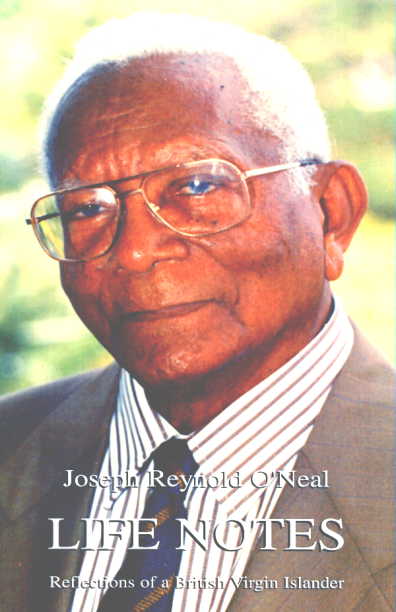
In Life Notes, J. R. O’Neal wrote “it was in the 1930 that I became involved with the Civic League, the brain child of Hope Stevens of New York, East End and Nevis.” The league was formed because a group of men, concerned Virgin Islanders who felt the need for “political representation…we had none at that time,” JR (as he was affectionately known) wrote. He went on to say that there was “an Executive Council which was comprised of two local people nominated by the Governor of the Leeward Islands….these were James Edward Wilkinson (J.E.W) Georges and William Campbell Roy.” And this was how the League “came to meet with the Royal West India or Moyne Commission, known after its head Lord Moyne, which was created in response to the riots in almost every colony in the Caribbean between 1930 and 1935.” (J.R.O’Neal) The Moyne Commission report gave an in-depth analysis of the riots and strikes that occurred in the Caribbean in the 1930s. What is rather interesting is that the report made several recommendations, such as legislation to protect trade union and peaceful picketing, creation of labour department and wage boards and the provision of workers compensation and unemployment insurance to name a few. And it supported greater representation by locals in the government. This report was not made public until 1945 although some of the recommendations were implemented prior to that. (Institute of Commonwealth Studies)